Table of Contents
- Quick Answer
- Acreage Homes Are Larger Residential Properties with Ample Outdoor Space
- Local Market Insights for Acreage Homes in Georgetown
- Well and Septic Considerations for Acreage Homes
- Financing Acreage Properties
- Maintenance Differences for Acreage Homes
- Zoning and Use Restrictions
- Local Amenities and Community Features
- Action Checklist for Buying Acreage Homes
- Frequently Asked Questions
- Summary of Key Points
Quick Answer
Acreage homes near Georgetown, TX, provide ample space and privacy, ideal for those seeking a quiet lifestyle. Explore listings today!
Acreage Homes Are Larger Residential Properties with Ample Outdoor Space
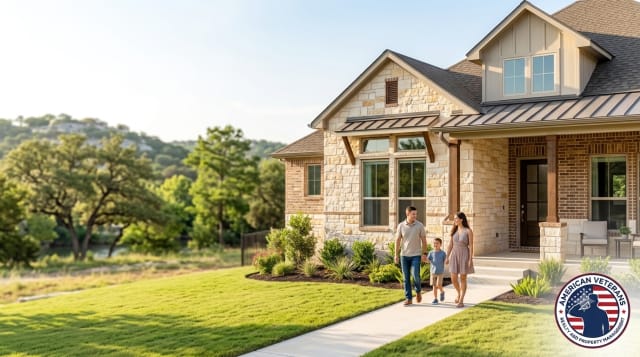
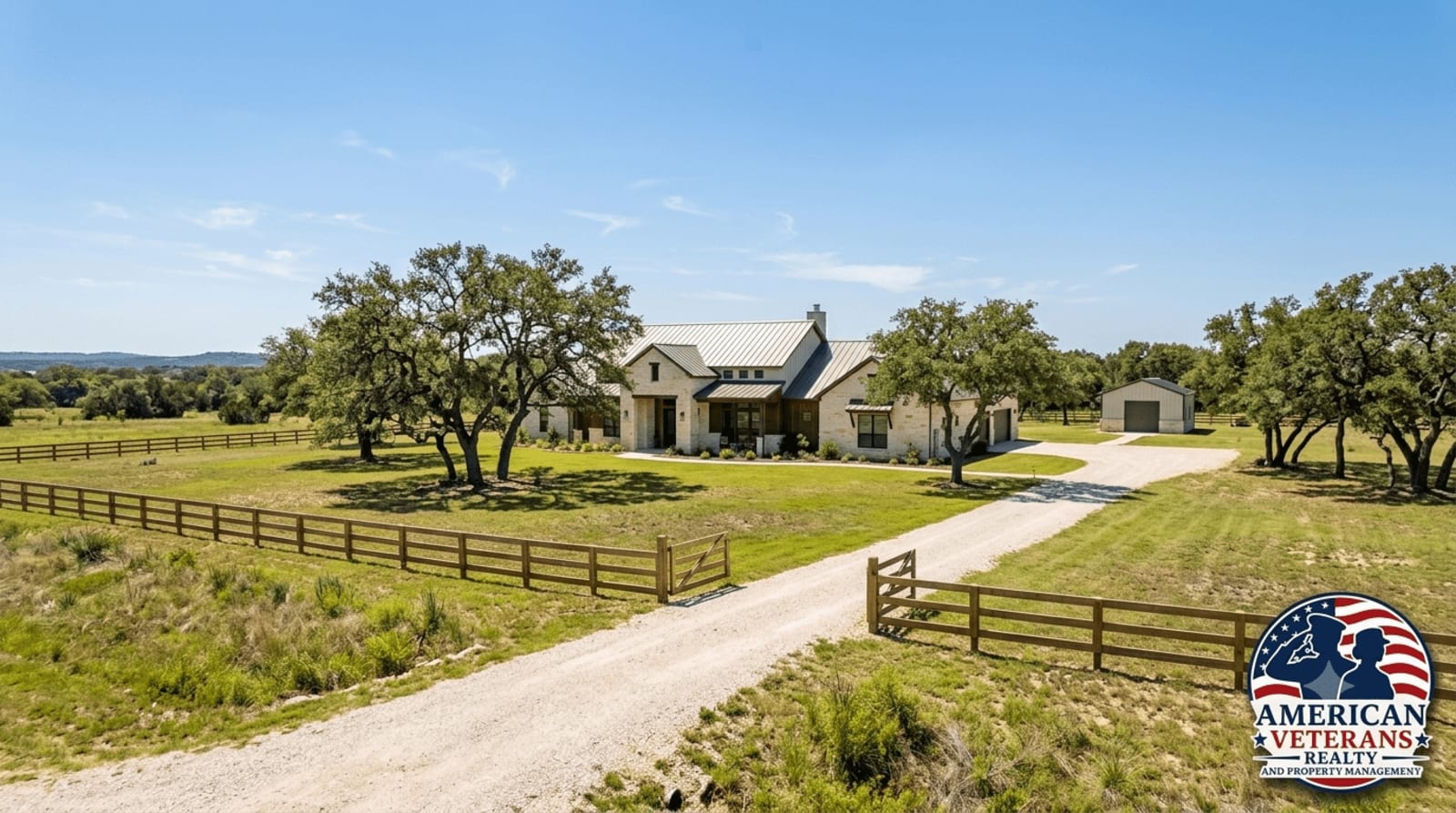
Acreage homes are residential properties located on larger parcels of land, typically exceeding one acre. They offer significant outdoor space, often featuring gardens, barns, and ample greenery. In Georgetown, TX, these homes are appealing to buyers looking for tranquility away from urban hustle.
Local Market Insights for Acreage Homes in Georgetown
The real estate market for acreage homes near Georgetown is robust, with prices ranging from $300,000 to over $800,000 based on property size and amenities. As of late 2023, demand is strong due to Georgetown’s quality schools, diverse parks, and vibrant community events, making it a desirable place to live. For up-to-date statistics, refer to the Texas Association of Realtors for specific data on market trends.
Well and Septic Considerations for Acreage Homes
Most acreage properties in this area require private wells and septic systems. It’s crucial for buyers to conduct thorough inspections before purchasing:
- Inspections Required: Buyers should have both the well and septic systems inspected to ensure they are in good working order. The Texas Commission on Environmental Quality (TCEQ) provides guidelines for these inspections, focusing on water quality and the operational status of septic systems.
Financing Acreage Properties
Financing for acreage homes can differ from standard residential loans. Here are some common options:
- Conventional and VA Loans: While available, these may have limitations based on acreage and property value.
- Rural Development Loans: USDA loans cater to rural properties, offering favorable terms for eligible buyers.
| Loan Type | Suitable For | Qualification Criteria |
|---|---|---|
| Conventional | Standard buyers | Good credit score, lower debt-to-income ratio |
| VA Loan | Veterans | Must meet VA guidelines; property must adhere to military standards |
| USDA Loan | Rural home buyers | Income eligibility and property location criteria apply |
Maintenance Differences for Acreage Homes
Acreage homes require more maintenance than standard homes, mainly due to outdoor issues like landscaping and pest control. For example, owners should regularly maintain:
- Landscaping: Regular mowing, trimming, and care for any gardens or orchards.
- Pest Control: Managing wild animals and pests can be more challenging on larger properties.
- Utilities: Maintaining wells and septic systems requires attention, including regular servicing.
Zoning and Use Restrictions
Zoning laws can affect what you can do with your property. Some acreage might have restrictions related to:
- Agricultural Use: Certain areas may allow farming or livestock.
- Building Regulations: Restrictions on additional structures or property modifications.
For exact zoning information, contact the Georgetown city planning department or visit their official website.
Local Amenities and Community Features
Living in Georgetown means access to various community amenities, including:
- Schools and Education: Georgetown ISD offers well-rated schools.
- Parks and Recreation: The area has numerous parks, hiking trails, and community events.
- Shopping and Dining: Plenty of local shops and restaurants cater to residents.
Exploring these amenities can enhance your quality of life in Georgetown.
Action Checklist for Buying Acreage Homes
- Determine Your Budget: Evaluate how much you can spend.
- Research Zoning Laws: Understand what you can do with your land.
- Get Inspections Done: Always inspect wells and septic systems.
- Explore Financing Options: Consult with mortgage lenders about your options.
- Visit Properties: Take time to visit potential homes to assess their surroundings.
Frequently Asked Questions
Acreage homes typically range between $300,000 and $800,000, depending on size and amenities.
Yes, options like USDA loans are available for eligible rural property buyers.
Inspections are crucial to ensure proper functioning and compliance with health standards.