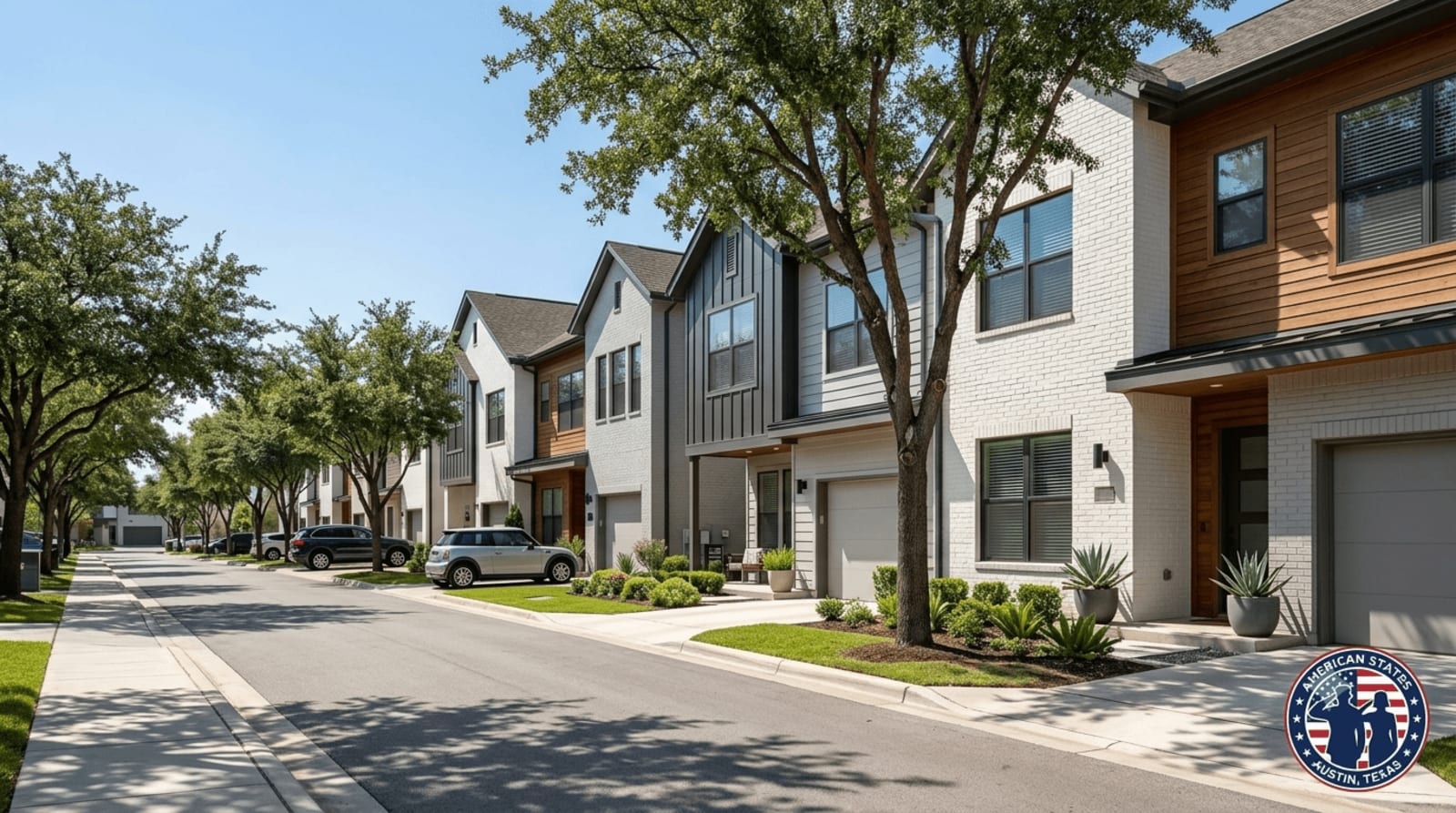
New Construction Homes in Austin Under $400,000
Austin's median home price has climbed well past the $400,000 mark, making new construction in this price range primarily available around the metro's edges rather than within the city core.
Table of Contents
- Quick Answer
- Current New Construction Listings in Austin Under $400K
- Where the Growth Corridors Are
- Why the Trade-Off Exists
- Builder Incentives Help Bridge the Gap
- VA Loans and New Construction
- What You Give Up at This Price Point
- Frequently Asked Questions
- Checklist for Buyers
- Summary
- Call to Action
Quick Answer
You can find new construction homes in Austin under $400,000 primarily in the outer growth corridors. These properties come with trade-offs such as longer commutes and potential HOA fees.
Current New Construction Listings in Austin Under $400K
Below are current listings for new construction homes in Austin priced under $400,000. Prices and availability are subject to change, so consult your local MLS for the most up-to-date information.
| Address | Price | Square Feet | Bedrooms | Neighborhood |
|---|---|---|---|---|
| 1234 Maple Street | $389,000 | 1,800 | 3 | Hutto |
| 5678 Elm Avenue | $395,000 | 2,100 | 4 | Manor |
| 9101 Cedar Way | $399,000 | 1,900 | 3 | Kyle |
Where the Growth Corridors Are
New construction homes priced under $400,000 are mainly concentrated in Austin's outer growth corridors. These include areas:
- North along I-35 and US-183 toward Hutto and Georgetown
- Southeast along SH-130 and US-183 toward Manor
- South along I-35 toward Kyle and Buda
These master-planned communities often feature newer infrastructure and smaller lots, necessitating longer commutes to central Austin. According to data from the Austin Board of REALTORS, homes in these areas can offer significant price advantages, though work commutes can range from 30 minutes to an hour depending on traffic. According to a report by Zillow, the average commute times in these peripheral areas can be longer than those in central Austin, affecting overall convenience.
Why the Trade-Off Exists
The primary driver behind the price difference between new homes in these outer areas and more central locations is land cost. Undeveloped land costs less per acre on the outskirts, allowing builders to construct affordable new homes. However, this also results in longer daily commutes for those working in the city center. In the context of Austin's expanding suburban development, understanding these trade-offs is critical for potential buyers. For instance, while homes may start at lower prices, potential buyers should consider the cumulative costs of commuting and maintaining a home in these areas.
Builder Incentives Help Bridge the Gap
Many builders provide incentives to attract buyers to these new developments, such as closing cost assistance or upgrades on finishes. For example, builders like Lennar and D.R. Horton often have promotional periods where they offer such incentives, making it easier for potential homeowners to finance their purchases.
VA Loans and New Construction
Veterans and eligible military service members can leverage VA loans for financing new construction homes. This program allows buyers to qualify for loans without the need for a down payment, making homeownership more achievable in desirable areas.
What You Give Up at This Price Point
When searching for new construction homes under $400,000, buyers usually face trade-offs in size, location, and amenities. Common sacrifices include:
- Smaller lot sizes or homes with less square footage
- Limited access to urban amenities and services
- Potential membership in Homeowners Associations (HOAs), which can add to monthly expenses
| Trade-Off | Description |
|---|---|
| Size and Space | Homes are typically smaller or on smaller lots. |
| Location | Homes are located further from central amenities. |
| HOA Membership | May incur extra fees for maintenance and services. |
Frequently Asked Questions
New construction homes in Austin can be found under $400,000, especially in outer growth areas.
Affordable new homes are typically located in areas like Hutto, Manor, and Kyle.
Factors include land costs, development, and infrastructure improvements in surrounding neighborhoods.