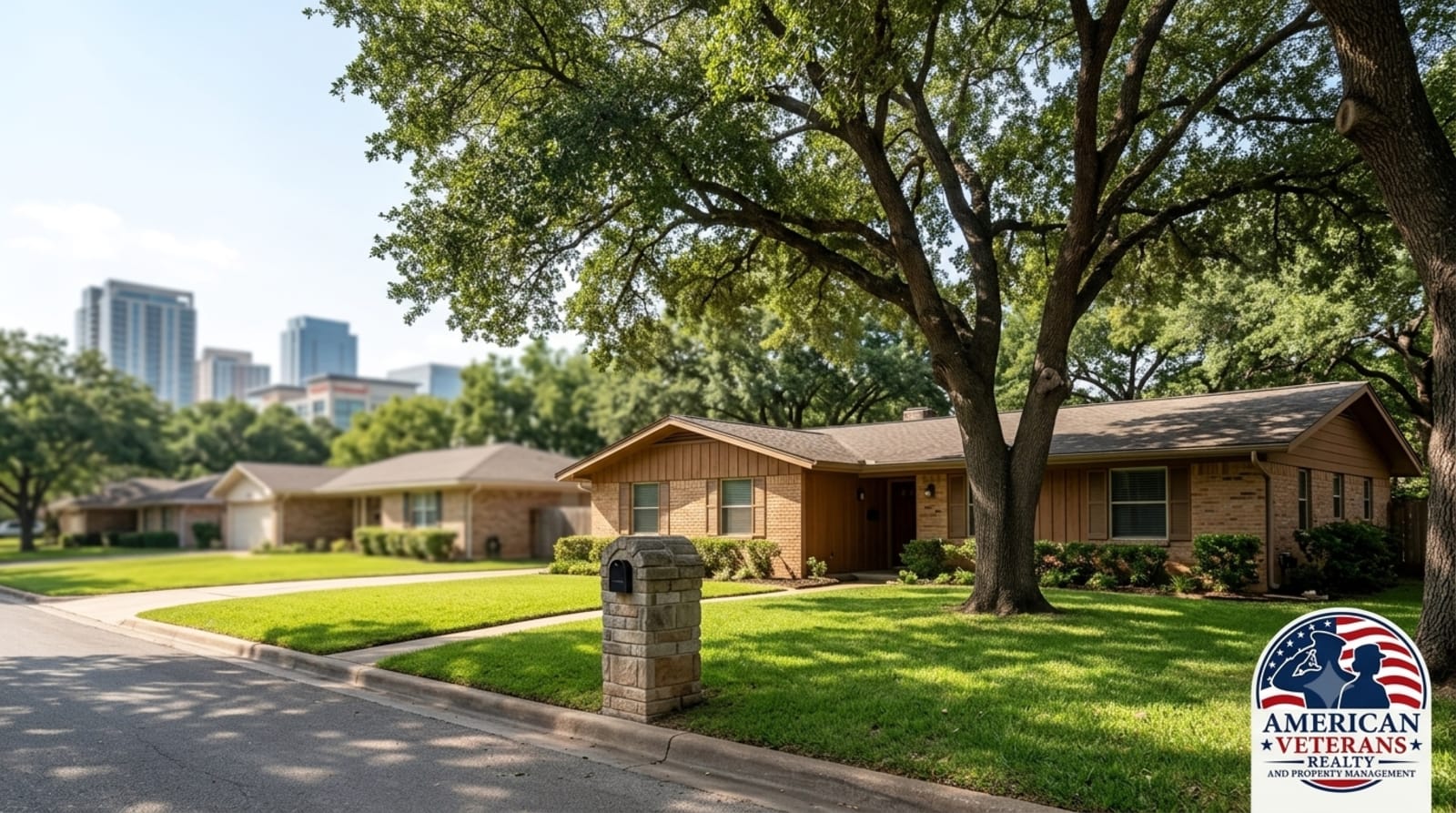
Streamlining Rent Collection in Killeen, TX: A Landlord's Guide
Owning rental property in Killeen, Texas is widely considered one of the most reliable wealth-building strategies in Central Texas. The constant influx of military personnel from Fort Cavazos (formerly Fort Hood) provides a massive, stable pool of prospective tenants. However, the theoretical profitability of a rental property means absolutely nothing if you cannot consistently, reliably collect the rent.
Rent collection is the lifeblood of real estate investing. It is the fuel that pays the mortgage, covers the property taxes, funds maintenance reserves, and ultimately generates your passive income. When rent collection becomes inconsistent, a profitable asset rapidly transforms into a massive financial liability.
Many "do-it-yourself" (DIY) landlords in Killeen struggle with this aspect of property management. They rely on outdated collection methods, they allow tenants to dictate the payment schedule, and they are unfamiliar with the strict Texas Property Code regulations governing late fees and evictions.
At American Veterans Realty & Property Management, we treat rent collection with the seriousness it deserves. We have developed ironclad, legally compliant systems that ensure our owners get paid on time, every time. In this comprehensive guide, we will explore the common pitfalls of rent collection in Killeen, how to modernize your payment systems, and exactly how to handle late payments and evictions in Bell County.
The Financial Reality of the Killeen Rental Market
To master rent collection in Killeen, you must first understand the financial profile of the local tenant base.
The Role of Military BAH
A vast majority of renters in Killeen, Harker Heights, and Copperas Cove are active-duty military families. Their primary source of housing funds is the Basic Allowance for Housing (BAH). BAH is a tax-free monthly stipend provided by the Department of Defense, calculated based on the service member's rank and dependency status.
From a landlord’s perspective, a tenant receiving BAH is the gold standard. It is government-backed, guaranteed income that is entirely insulated from civilian economic downturns. However, BAH is paid out in conjunction with the soldier's standard pay cycle (typically on the 1st and 15th of the month). Understanding this pay cycle is crucial when structuring your lease agreements and setting expectations for rent due dates.
The Danger of the "Buddy System"
Many DIY landlords, particularly those who are veterans themselves, fall into the trap of the "buddy system." Because they share a military background with their tenants, they try to be overly accommodating. When a tenant calls on the 3rd of the month and says they need an extension until the 15th to pay rent, the landlord agrees out of camaraderie.
This is a catastrophic mistake. Real estate investing is a business, not a charity. Your mortgage company does not care that your tenant had a hard month; they expect their payment on the 1st. When you allow a tenant to pay late without consequence, you train them that the lease is merely a suggestion. A professional property management company removes this emotion entirely, enforcing the lease objectively and consistently.
Why Traditional Rent Collection Fails
If you are still accepting rent via paper checks or cash, you are exposing your investment to unnecessary risk and administrative nightmares.
The Problem with Paper Checks
Accepting personal checks is an antiquated and dangerous practice.
- The "Check is in the Mail" Excuse: Relying on the USPS to deliver a check allows the tenant to claim they mailed it on time, even if it arrives on the 7th of the month.
- Bounced Checks (NSF): When a tenant writes a bad check, you do not find out until days later. By the time your bank notifies you of the Non-Sufficient Funds (NSF) status, you have lost a week of valuable time, and you now have to restart the collection and eviction process from scratch, while also absorbing a fee from your own bank.
- Logistical Headaches: If you live out of state, how is the tenant supposed to get the check to you? If you live locally, do you really want to spend your Saturday driving around Killeen picking up checks from drop boxes and standing in line at the bank?
The Danger of Cash
Accepting cash for rent is highly ill-advised. It is extremely difficult to track accurately, it invites disputes over exactly how much was paid, and it makes you a target for theft if tenants know you are carrying large sums of cash on the 1st of the month.
Modernizing Rent Collection: Digital Portals and ACH
To ensure consistent cash flow, you must make it incredibly easy for the tenant to pay you, while making the transaction instantaneous and verifiable.
The Power of the Tenant Portal
At American Veterans Realty & Property Management, we utilize state-of-the-art property management software. Every tenant is provided with a secure, digital Tenant Portal accessible via their smartphone or computer.
Through this portal, tenants can view their ledger, submit maintenance requests, and, most importantly, pay their rent.
ACH Transfers and Auto-Pay
The gold standard for rent collection is the Automated Clearing House (ACH) transfer. An ACH transfer pulls the funds directly from the tenant's checking or savings account and deposits them directly into our trust account.
We heavily incentivize our tenants to set up "Auto-Pay" through their portal. By scheduling the ACH transfer to occur automatically on the 1st of every month, the tenant never has to remember to log in, and the owner is guaranteed to receive their funds on time. For deployed soldiers who may not have reliable internet access on the 1st of the month, Auto-Pay is an absolute necessity to ensure their rent is not delinquent while they are overseas.
Credit and Debit Card Options
While ACH is preferred (due to lower processing fees), a professional portal also allows tenants to pay via credit or debit card. If a tenant experiences a short-term cash flow issue, allowing them to put the rent on a credit card ensures the landlord still gets paid in full and on time. The tenant absorbs the credit card processing fee, making it a zero-cost convenience for the property owner.
Handling Late Payments and Grace Periods in Texas
Even with the best systems and the most rigorous tenant screening, late payments will occasionally happen. How you respond to a late payment dictates the success of your rental business.
Texas Property Code and Grace Periods
The Texas Property Code (Section 92.019) has highly specific laws governing late fees.
In Texas, a landlord cannot charge a late fee until the rent has remained unpaid for at least two full days after the date it was originally due. This essentially creates a mandatory two-day grace period.
For example: If the lease states that rent is due on the 1st, the 2nd and the 3rd are the grace period. The landlord cannot legally charge a late fee until the 4th of the month.
Structuring Legally Compliant Late Fees
Furthermore, the Texas Property Code dictates that late fees must be a "reasonable estimate of uncertain damages to the landlord that are incapable of precise calculation."
In 2019, the Texas legislature clarified this by establishing "safe harbor" limits. For a single-family home (which comprises the vast majority of Killeen rentals), a late fee is considered legally "reasonable" if it does not exceed 12% of the amount of rent for the rental period under the lease.
A standard, legally compliant structure utilized by professional property managers might involve an initial late fee (e.g., $50) assessed on the 4th of the month, followed by a daily late fee (e.g., $10 per day) until the balance is paid in full, ensuring the total never exceeds the 12% statutory cap. Your lease agreement must explicitly state this late fee structure; if it is not in the lease, you cannot charge it.
The Importance of Immediate Action
When the 4th of the month arrives and rent has not been paid, you cannot wait. You must act immediately.
At American Veterans Realty & Property Management, our software automatically applies the late fees at 12:01 AM on the 4th. We immediately dispatch a formal, written demand for payment. We do not text the tenant asking if they forgot; we communicate clearly and professionally that the lease has been violated and that legal action is imminent if the balance is not cleared.
The Eviction Process in Bell County
If a tenant simply refuses to pay, or cannot pay, the landlord must initiate the eviction process. Attempting to force a tenant out illegally (known as a "self-help" eviction) will result in massive financial penalties for the landlord.
The 3-Day Notice to Vacate
The first legally required step in a Texas eviction (formally known as a Forcible Detainer suit) is delivering a Notice to Vacate. Unless your lease explicitly states a shorter timeframe (the standard Texas Association of Realtors lease allows for a 1-day notice), Texas law requires a minimum 3-day notice.
This notice must be delivered in a highly specific manner: hand-delivered to a person 16 years or older at the property, affixed to the inside of the main entry door, or sent by regular mail, registered mail, or certified mail with return receipt requested.
Filing the Suit in Justice of the Peace (JP) Court
If the tenant does not vacate the property or pay the rent by the expiration of the notice period, the landlord must file an eviction suit in the local Justice of the Peace (JP) court for the precinct where the property is located (e.g., Precinct 4 for much of Killeen).
The Court Hearing and Writ of Possession
At the hearing, the landlord must present the lease, the ledger proving the rent was unpaid, and proof that the Notice to Vacate was delivered legally. If the judge rules in favor of the landlord, the tenant typically has five days to appeal the decision.
If the tenant does not appeal and still refuses to leave, the landlord must request a Writ of Possession from the court. This writ orders the local constable to physically remove the tenant and their belongings from the property, restoring possession to the landlord.
As your property management company, we handle this entire, stressful process from start to finish. We draft the notices, file the paperwork at the Bell County courthouse, and represent you before the judge, ensuring the eviction is processed as swiftly and legally as possible to minimize your financial loss.
Frequently Asked Questions About Rent Collection
1. Can I charge a fee if a tenant's ACH transfer bounces?
Yes. Under Texas law, if a tenant's payment is returned for insufficient funds (whether it is a paper check or a failed ACH transfer), the landlord can charge a "returned payment fee," typically capped at $30. This must be explicitly stated in your lease agreement. Furthermore, if the failed payment causes the rent to be late beyond the grace period, the tenant is also responsible for the standard late fees.
2. Can I accept a partial payment from a tenant?
We strongly advise against accepting partial payments. In Texas, if you accept a partial rent payment after you have delivered a Notice to Vacate, you generally void the eviction process and must start over from the beginning. Our policy is that rent must be paid in full; we do not accept partial payments.
3. What if a tenant abandons the property without paying rent?
If a tenant completely vacates the property while owing rent (skipping out on the lease), the landlord must follow specific Texas Property Code procedures for declaring the property abandoned. Once legally declared abandoned, the landlord can secure the property, begin preparing it for a new tenant, and pursue the former tenant for the unpaid rent and lease-break penalties through a collection agency or civil court.
4. How do you handle rent collection for deployed soldiers?
Communication and proactive setup are key. When we know a tenant is deploying, we ensure they have Auto-Pay set up through their portal so the ACH transfer happens automatically while they are overseas. If an issue arises (e.g., their bank issues a new debit card and the payment fails), we utilize email and specialized military communication channels to resolve the issue swiftly without unnecessary stress.
Final Thoughts: Protecting Your Cash Flow
Consistent rent collection is not an accident; it is the result of ironclad systems, clear communication, and strict adherence to the lease agreement and the Texas Property Code.
For DIY landlords in Killeen, rent collection is often a source of immense stress, particularly when dealing with the emotional nuances of military life or attempting to manage the property from out of state.
By partnering with a professional, veteran-owned property management company, you insulate yourself from this stress. You stop being a debt collector and start being a true real estate investor.
At American Veterans Realty & Property Management, we utilize state-of-the-art digital payment portals to make paying rent effortless for our tenants. When issues do arise, we enforce the lease objectively and professionally, handling all late notices and evictions to protect your cash flow and your asset.
If you are tired of chasing down rent checks or worrying about whether your tenant is going to pay this month, it is time for a change. Contact American Veterans Realty & Property Management today at info@avrealtytx.com or visit our website at avrealtytx.com to schedule a free consultation. Let us show you how we guarantee consistent, reliable income for our property owners.
Frequently Asked Questions
Yes. Under Texas law, if a tenant's payment is returned for insufficient funds (whether it is a paper check or a failed ACH transfer), the landlord can charge a 'returned payment fee,' typically capped at $30. This must be explicitly stated in your lease agreement. Furthermore, if the failed payment causes the rent to be late beyond the grace period, the tenant is also responsible for the standard late fees.
We strongly advise against accepting partial payments. In Texas, if you accept a partial rent payment after you have delivered a Notice to Vacate, you generally void the eviction process and must start over from the beginning. Our policy is that rent must be paid in full; we do not accept partial payments.
If a tenant completely vacates the property while owing rent (skipping out on the lease), the landlord must follow specific Texas Property Code procedures for declaring the property abandoned. Once legally declared abandoned, the landlord can secure the property, begin preparing it for a new tenant, and pursue the former tenant for the unpaid rent and lease-break penalties through a collection agency or civil court.
Communication and proactive setup are key. When we know a tenant is deploying, we ensure they have Auto-Pay set up through their portal so the ACH transfer happens automatically while they are overseas. If an issue arises (e.g., their bank issues a new debit card and the payment fails), we utilize email and specialized military communication channels to resolve the issue swiftly without unnecessary stress.