A Rental Property Inspection Checklist
Thorough, documented inspections protect both landlord and tenant — here's what to check at each stage of a tenancy.
Move-In Inspection
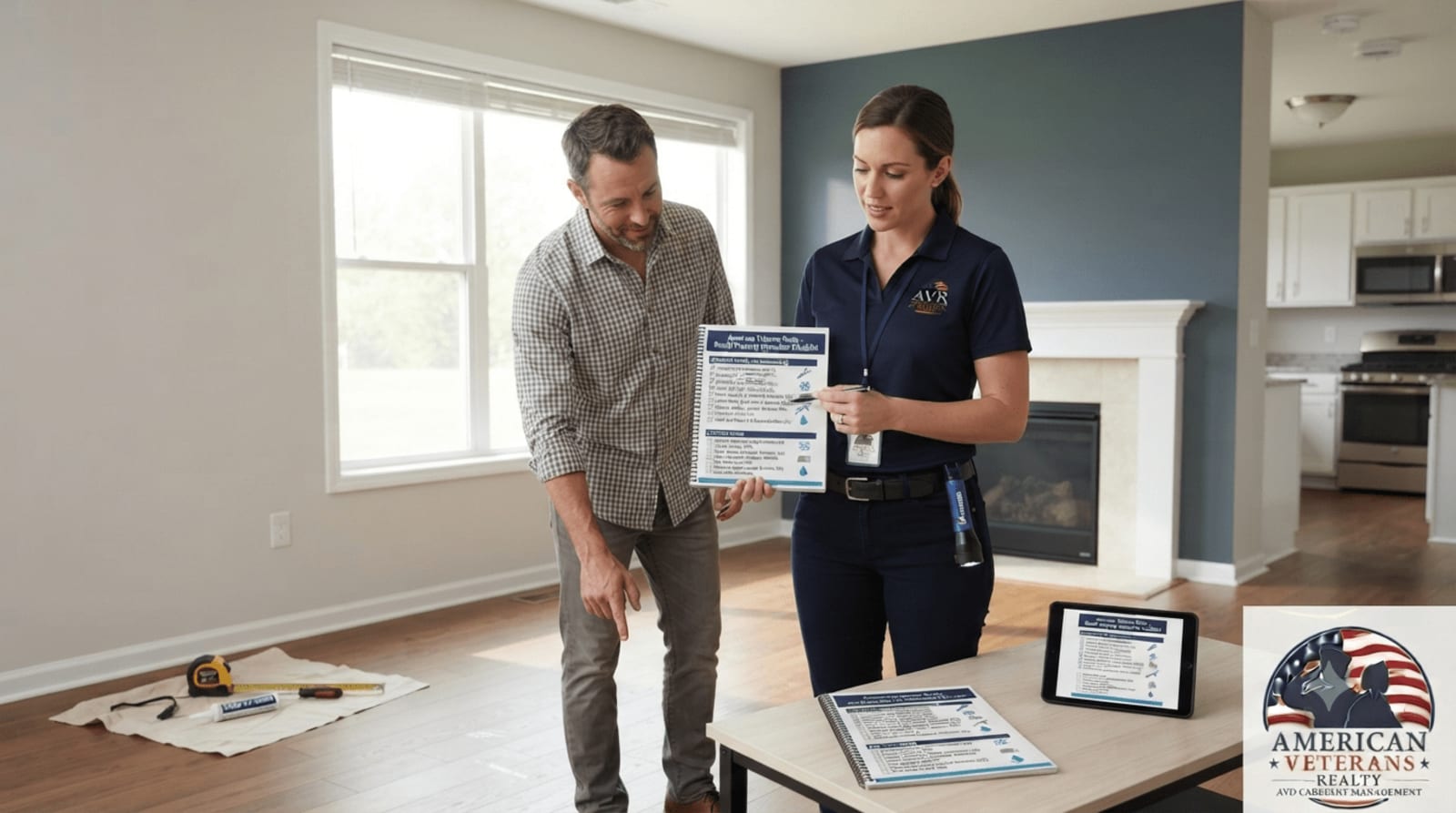
- Photograph every room, including close-ups of any existing damage or wear
- Test all appliances, HVAC, and plumbing fixtures
- Check smoke detectors and carbon monoxide detectors
- Have both landlord and tenant sign a written condition report
Periodic Inspection (Mid-Lease)
- Verify the property is being maintained as expected
- Check for unauthorized pets or occupants per lease terms
- Look for maintenance issues the tenant may not have reported
- Provide proper notice per the lease terms before entering
Move-Out Inspection
- Compare current condition directly against the move-in report
- Distinguish normal wear and tear from actual damage
- Document everything with photos to support any security deposit deductions
- Complete this promptly to meet Texas's 30-day deposit return requirement
Why Documentation Matters Most
An inspection without documentation is just an opinion if a dispute arises later. Photos, written reports, and consistent timing at each stage are what actually protect a landlord's position — and give a tenant confidence they'll be treated fairly.
Frequently Asked Questions
Wear and tear is expected from everyday living (minor scuffs, small nail holes); damage goes beyond that — stains, holes, or broken fixtures from neglect or misuse.
As soon as possible — Texas law requires the security deposit or itemized deductions to be returned within 30 days of move-out, so prompt inspection keeps that timeline on track.