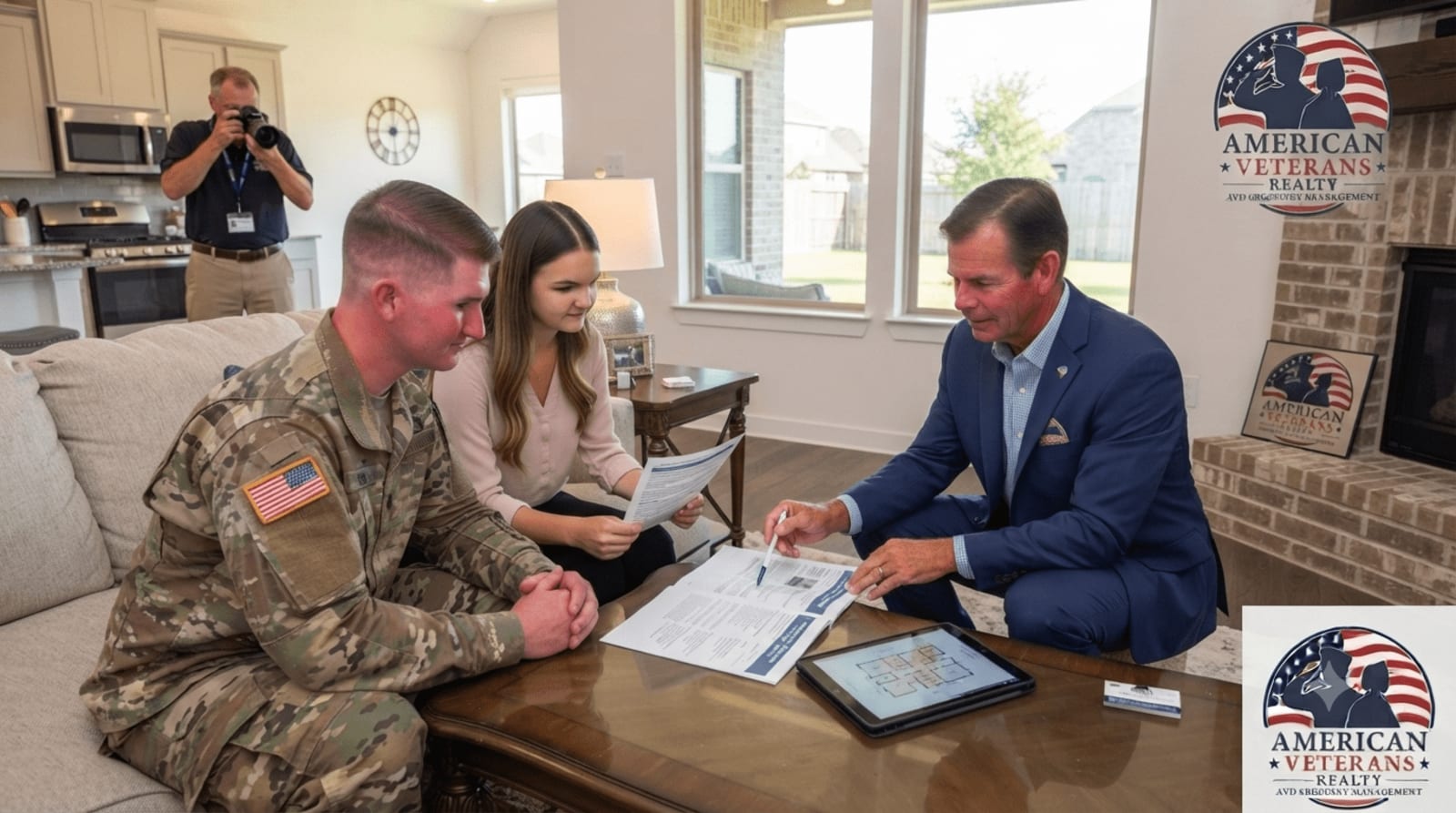
How the VA Appraisal Process Works
The VA appraisal serves two purposes: confirming the home's market value and verifying it meets the VA's Minimum Property Requirements (MPRs) — a distinction that sets it apart from a conventional appraisal.
Value Assessment
Like any appraisal, a VA-approved appraiser evaluates comparable sales to determine the home's fair market value, which the loan amount is based on.
Minimum Property Requirements
Beyond value, the appraiser checks that the home is safe, sound, and sanitary — functioning utilities, no significant structural issues, a working roof, and no exposed hazards. These requirements exist to protect the borrower, not just the lender.
What Happens if Issues Are Found
If a home doesn't meet MPRs, repairs are typically required before closing can proceed — sometimes negotiated with the seller, sometimes completed by the buyer depending on the contract terms.
What Sellers Should Prepare For
Sellers listing a home likely to attract VA buyers benefit from addressing obvious deferred maintenance — a failing roof, exposed wiring, non-functioning systems — before listing, to avoid delays if the appraisal flags MPR issues.
Appraisal Timelines
VA appraisals can take longer than conventional appraisals in some markets due to appraiser availability, which is worth factoring into a transaction timeline from the start.
Frequently Asked Questions
Standards ensuring a home is safe, structurally sound, and sanitary — covering things like working utilities, roof condition, and absence of major hazards.
Repairs are generally required before closing can proceed, which may be negotiated between buyer and seller depending on the contract.