Austin TX Home Inspection Guide for Buyers: What to Expect and What to Look For
Table of Contents
- Quick Answer
- Home Inspection in Austin TX: Why It's Different Here
- What a Texas Home Inspector Checks
- Structural Components
- Exterior
- Interior
- Electrical
- HVAC
- Plumbing
- Appliances
- Austin-Specific Issues to Watch For
- 1. Foundation Movement Signs
- 2. HVAC Age and Condition
- 3. Roof Condition Post-Hail
- 4. Oak Trees and Tree Roots
- Cost of Home Inspections in Austin
- Recommended Local Inspectors
- Frequently Asked Questions
- Checklist for Home Inspectors
- Summary
- Call to Action
Quick Answer
In Austin, TX, home inspections differ significantly due to local soil conditions, climate, and common building practices. Buyers should expect to deal with unique issues, like foundation problems and HVAC assessments, specifically tailored to Austin's environment.
Home Inspection in Austin TX: Why It's Different Here
Austin home inspections have unique concerns that inspectors in other parts of the country rarely encounter. Factors such as foundation movement from expansive clay soils, HVAC demands caused by the Texas heat, and drainage patterns related to limestone contribute to these differences, according to the Texas Real Estate Commission (TREC).
What a Texas Home Inspector Checks
Texas real estate agents are required to use a state-mandated inspection report (TREC 7-4 form). Inspectors review the following categories:
Structural Components
- Foundation type and condition: Inspectors assess for signs of stress, cracking, and shifts.
- Grading and drainage: Vital for preventing water issues, especially in clay soil.
- Roof structure: Including the presence of leaks or structural damage.
- Walls and ceilings: Check for cracks, mold, or other signs of damage.
Exterior
- Roof covering: Inspect condition, material, and age.
- Gutters and downspouts: Essential for proper drainage, especially in Austin.
- Window and door frames: Check for proper sealing and age-related issues.
- Exterior cladding: Investigate common aging patterns for materials like brick and stucco.
- Driveways and sidewalks: Look for cracks or settling.
Interior
- Walls, ceilings, floors: Inspect for water damage and structural integrity.
- Doors and windows: Check functionality and seal integrity.
- Stairs and railings: Ensure stability and safety.
Electrical
- Wiring and outlets: Inspect for safety of wiring; check the quantity and condition of outlets.
- Service panel: Ensure that the electrical panel is adequately rated and free from corrosion.
HVAC
- Type and age of units: Assess the condition and documentation for all HVAC systems.
- Ventilation: Proper ventilation prevents mold and moisture problems.
Plumbing
- Pipes and fixtures: Inspect for leaks, corrosion, and functional integrity.
- Water heaters: Check age, efficiency rating, and operational status.
Appliances
- Major appliances: Note the condition and operational status of refrigerators, dishwashers, and ovens.
Austin-Specific Issues to Watch For
Understanding unique issues in Austin can save buyers significant costs and future problems.
1. Foundation Movement Signs
In Austin, the expansive clay soil often leads to foundation movement, causing cracks. Inspectors should check for signs indicating shifting or uneven floors.
2. HVAC Age and Condition
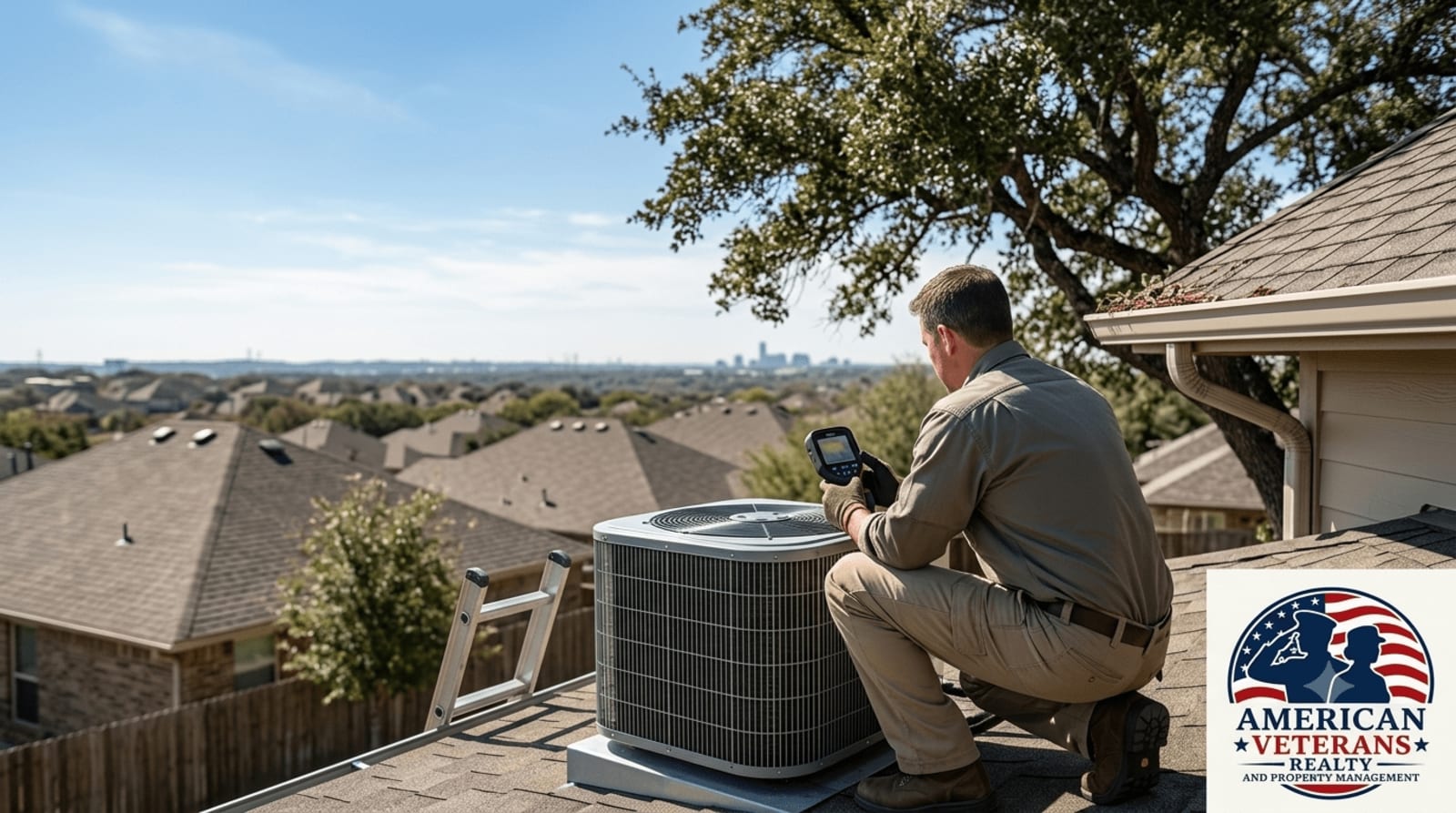
Given Austin's hot climate, the HVAC system experiences heavy use. It's essential to ensure that it operates efficiently and is well-maintained.
3. Roof Condition Post-Hail
Austin frequently experiences hailstorms, damaging roofs. Inspectors should look for dents, missing shingles, or signs of leaks.
4. Oak Trees and Tree Roots
Tree roots can compromise foundations, so it's crucial to inspect nearby trees for signs of their intrusion into building systems.
Cost of Home Inspections in Austin
Home inspection costs in Austin typically range from $300 to $600, depending on the property size and age. Larger or older homes may incur higher fees due to the complexity of the inspection. It’s always advisable to get quotes from different inspectors.
Recommended Local Inspectors
Choose licensed home inspectors familiar with Austin conditions, such as:
- ABC Home Inspection Services
- Austin Home Inspections, Inc.
- Defenders of Home Inspections
Frequently Asked Questions
A thorough home inspection includes checks on structural components, exterior and interior conditions, electrical systems, HVAC units, plumbing, and major appliances.
Home inspections are not mandatory in Texas but are highly recommended for protecting buyers from unexpected repairs.
Common issues include foundation problems, HVAC issues stemming from age, and roofing damage from hail.