The Austin Home Buying Process
Buying a home in Austin Texas follows the same broad steps as anywhere in the country, but the Austin market has unique dynamics — fast-moving suburbs, builder-heavy inventory, and a large pool of tech-worker buyers — that require local knowledge.
Step 1: Set Your Budget Before You Search
Start with what you can actually afford, not what you dream about. Use the 28/36 rule as a starting point: housing costs should not exceed 28% of gross monthly income, and total debts should not exceed 36%.
Rough budget ranges in the Austin metro (2024):
- $60K household income → $250,000-$290,000 home
- $90K household income → $360,000-$420,000 home
- $120K household income → $480,000-$560,000 home
- $150K+ household income → $600,000+ home (Austin proper)
Step 2: Choose Your Loan Type
- Conventional: 3-20% down, good credit required, PMI until 20% equity
- FHA: 3.5% down, more lenient credit, mortgage insurance for life of loan
- VA: Zero down for veterans, no PMI — best option if eligible
- USDA: Zero down in eligible rural areas (some Austin suburbs qualify)
Step 3: Get Pre-Approved — Not Pre-Qualified
Pre-qualification is a quick estimate. Pre-approval means the lender has verified your income, credit, and assets. In Austin's market, sellers will not take you seriously without a strong pre-approval letter. Choose a local lender who understands Austin's pace.
Step 4: Find a Buyer's Agent
In Texas, buyer's agent services are free to you — the seller pays the commission (or the builder pays, in new construction). Choose an agent who:
- Works full-time in your target area
- Has experience with your loan type (FHA, VA, conventional)
- Knows the difference between Williamson County and Hays County markets
Step 5: Start Your Search — Suburbs First
If affordability is a concern, start in the suburbs before looking at Austin proper:
- Hutto, Pflugerville: Best value in Williamson County
- Kyle, Buda: Best value in Hays County
- Round Rock: Premium quality, slightly higher prices
- Georgetown: Master-planned communities, excellent schools
Step 6: Make an Offer
In Austin's suburbs, homes in the $300K-$420K range still move relatively quickly. Your offer should include:
- A strong pre-approval letter from a local lender
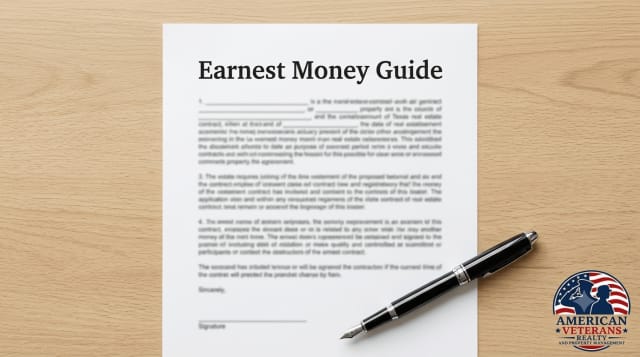
- Earnest money (1% of purchase price is standard)
- Option period (7-10 days) for inspections
- Realistic closing timeline (21-35 days)
Step 7: Due Diligence — Inspection and Appraisal
Home inspection: Budget $350-$500 for a general inspection. In Texas, also consider a foundation inspection (expansive clay soil is common) and a separate AC inspection for older systems.
Appraisal: Your lender orders this to confirm the home's value matches the purchase price.
Step 8: Close and Get Your Keys
Texas closings are handled by title companies. You'll sign documents, wire your closing funds, and receive your keys — typically at the title company office. The process takes about 1-2 hours.
Frequently Asked Questions
From starting your search to getting keys: pre-approval takes 3-7 days, house hunting takes 2-6 weeks in current market conditions, the option period and inspection take 7-10 days, and closing takes 21-35 days after contract. Budget 2-4 months total.
The option period is a Texas-specific right-to-terminate period written into the purchase contract. During this time (typically 7-10 days), you can terminate the contract for any reason and receive your earnest money back. You pay an option fee ($100-$300 typically) that goes to the seller regardless of outcome.
Both have advantages. New construction in suburbs like Hutto, Kyle, and Georgetown offers builder warranties, modern features, and sometimes builder incentives (rate buydowns, closing cost help). Existing homes often have more character, larger lots, and established neighborhoods — but may need more maintenance. Work with your agent to compare total costs.