Comparing Investment Properties: South Austin vs. North Austin
Table of Contents
- Quick Answer
- What Makes South Austin's Tenant Base Unique?
- How Does North Austin's Employment-Driven Demand Affect Investors?
- What Are the Price Points and Entry Costs?
- What Long-Term Considerations Should Investors Keep in Mind?
- How to Match Location to Investment Strategy
- What Are the Current Market Trends?
- Checklist for Investors
- Frequently Asked Questions
- Summary
- Call to Action
Quick Answer
Buying investment properties in South Austin offers a premium for lifestyle and character, while North Austin provides lower entry costs and employer-driven demand, creating different strategic opportunities for investors.
What Makes South Austin's Tenant Base Unique?
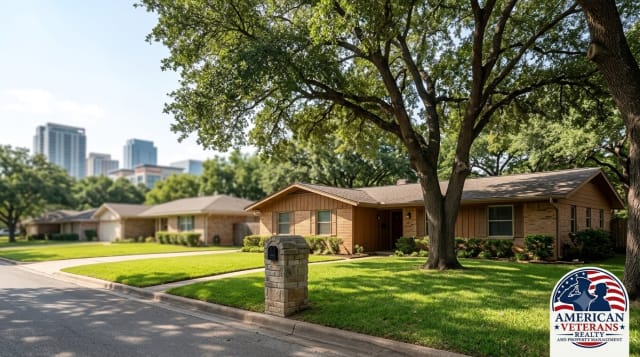
South Austin attracts tenants drawn to its unique character and vibrant lifestyle. Areas like South Congress and Travis Heights are popular for their eclectic atmosphere and walkability. Investors can expect tenants here are typically young professionals and families drawn to the local culture, willing to pay a premium for older homes with character and proximity to downtown.
How Does North Austin's Employment-Driven Demand Affect Investors?
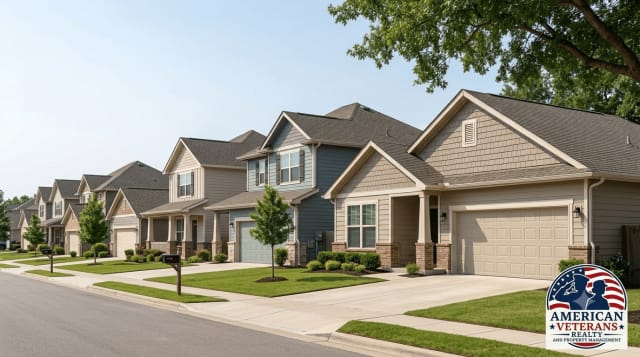
North Austin's rental demand is closely tied to the presence of major employment centers, notably tech firms along US-183 and near the Domain. This area tends to attract renters focused on reducing commute times and seeking newer constructions, leading to a more predictable rental income stream for investors.
What Are the Price Points and Entry Costs?
Price per square foot in South Austin is generally higher due to scarcity and high demand for lifestyle properties. In contrast, North Austin often offers lower price points with newer inventory, which can result in better cash flow opportunities. Here’s a detailed breakdown:
| Area | Average Price per Sq. Ft. | Typical Entry Level Property Cost | Tenant Profile |
|---|---|---|---|
| South Austin | $350-$500 | $500,000 - $1M+ | Young professionals, families |
| North Austin | $250-$350 | $350,000 - $600,000 | Tech workers, commuters |
What Long-Term Considerations Should Investors Keep in Mind?
Investors in South Austin may experience property appreciation driven by limited availability and a stable demand. The scarcity of land in established neighborhoods often results in increasing property values. In contrast, while North Austin may offer more competitive price points and new developments, long-term investors should consider local economic factors, including job growth and urban planning developments.
How to Match Location to Investment Strategy
To optimize investment returns, investors should align their location choices with their broader investment strategy. If aiming for high cash flow, North Austin may serve well with its affordable properties and strong market demand. However, for capital appreciation and lifestyle investment, South Austin might yield higher returns in the long run.
What Are the Current Market Trends?
Understanding market trends is vital for making informed investment decisions. As of 2023, the South Austin real estate market has been characterized by steady appreciation, driven by a shortage of available inventory and increasing demand for rental properties. North Austin's market, on the other hand, is seeing rapid development, especially driven by technology companies relocating to the area. Verified sources can be leveraged for the latest on average home prices and rental rates from entities such as the Austin Board of Realtors.
Checklist for Investors
- Determine Your Investment Goals: Identify whether you prioritize cash flow or appreciation.
- Research Local Markets: Stay updated on economic trends and potential developments in both South and North Austin.
- Explore Financing Options: Consider how location impacts financing opportunities and insurance.
- Visit Potential Properties: Always conduct a thorough site visit and assess the neighborhood amenities.
- Consult Real Estate Professionals: Engage local real estate agents to gain insights on the market.
Frequently Asked Questions
South Austin often yields a rental return between 4% to 6%.
Consider the pace of development and proximity to employment centers.
Understanding property value trends helps gauge potential appreciation or depreciation.