North Loop, Austin: Neighborhood Guide for Buyers
North Loop, taking its name from North Loop Boulevard, is a unique neighborhood in Austin that offers an independent, vibrant character ideal for homebuyers seeking a community-oriented lifestyle.
Table of Contents
- Quick Answer
- The Commercial Corridor
- Location and Transit
- Housing Stock
- A Genuinely Walkable Central Neighborhood
- Schools
- Who It Fits
- Current Market Analysis
- Local Attractions and Community Insights
- Frequently Asked Questions
- Checklist for Buyers
- Summary
- Call to Action
Quick Answer
North Loop is an ideal neighborhood for buyers looking for a walkable community with a blend of unique shops, good transit links, and a strong sense of local identity.
The Commercial Corridor
North Loop Boulevard serves as the neighborhood's commercial hub, known for its vibrant outlets, including vintage clothing shops, independent record stores, and locally-owned eateries. This low-key appeal attracts buyers who cherish a neighborhood where they can handle daily errands on foot, enhancing the area's charm and lifestyle.
Location and Transit
North Loop is strategically located adjacent to the Crestview neighborhood and is conveniently near the Crestview Station of Capital MetroRail's Red Line, providing residents a viable alternative for commuting to downtown Austin. Road access is also efficient via Burnet Road and Airport Boulevard, making it easy to navigate the city.
Housing Stock
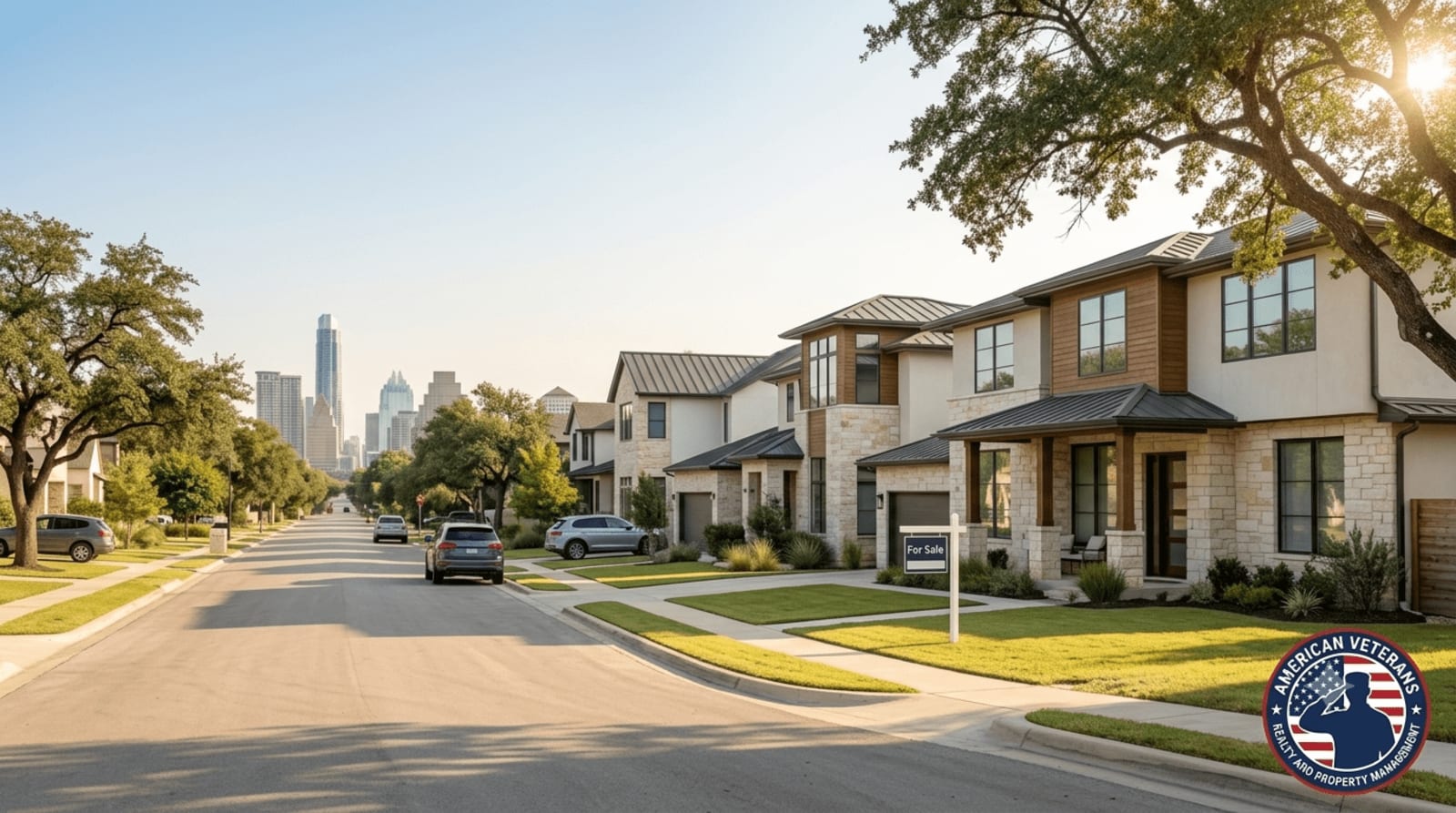
The neighborhood predominantly features mid-20th-century bungalows situated on modest-sized lots. Across North Loop, potential buyers will find a mix of original homes and renovated properties, reflecting the increased demand for housing in this attractive, centrally-located area. Recent statistics from the Austin Board of Realtors suggest that the median home price in North Loop is approximately $600,000, which shows an increase of around 5% over the last year. Note that prices can vary significantly based on the condition and location of individual properties.
A Genuinely Walkable Central Neighborhood
Unlike many of Austin's neighborhoods that tout walkability, North Loop truly delivers with its commercial strip, making it convenient for residents to access coffee shops, bookstores, and dining options without needing a car. This quality meets the needs of buyers who prioritize a car-optional lifestyle and community engagement.
Schools
North Loop residents are served by the Austin Independent School District (AISD). It’s important for buyers to verify current attendance zones with AISD, as specific school assignments depend on the individual property address. Schools in the area include:
| School Name | Grade Levels | Rating (out of 10) | Source |
|---|---|---|---|
| Brentwood Elementary | PreK-5 | 8 | GreatSchools.org |
| Lamar Middle School | 6-8 | 7 | GreatSchools.org |
| McCallum High School | 9-12 | 7 | GreatSchools.org |
Note that these ratings are subject to change, and potential buyers should check the latest reviews and performance metrics on GreatSchools or directly on the AISD website for updates.
Who It Fits
North Loop attracts a diverse demographic, including young professionals, families, and retirees. Its mix of amenities, community spirit, and accessibility makes it a suitable choice for those looking to enjoy a neighborhood with both urban flair and a welcoming atmosphere.
Current Market Analysis
As of the latest reports, inventory in North Loop remains competitive, with homes typically selling within weeks of being listed. Many properties receive multiple offers, reflecting sustained interest from buyers. If you're considering a purchase here, it’s advisable to work closely with a real estate professional who is well-acquainted with the local market dynamics.
Local Attractions and Community Insights
North Loop boasts an eclectic mix of local attractions. The neighborhood features a variety of public parks, such as,”
- Wooten Park: Ideal for outdoor activities and family gatherings.
- Ramsey Park: Includes a community pool and sports facilities.
These spaces promote an active lifestyle and provide venues for local events that enhance community bonds.
Frequently Asked Questions
The average home price in North Loop is approximately $600,000, subject to fluctuations based on the real estate market.
Yes, North Loop is served by schools in the Austin Independent School District, which have generally favorable ratings, but it’s best to verify current details.
Residents enjoy a walkable lifestyle with access to unique shops, dining, and community events.