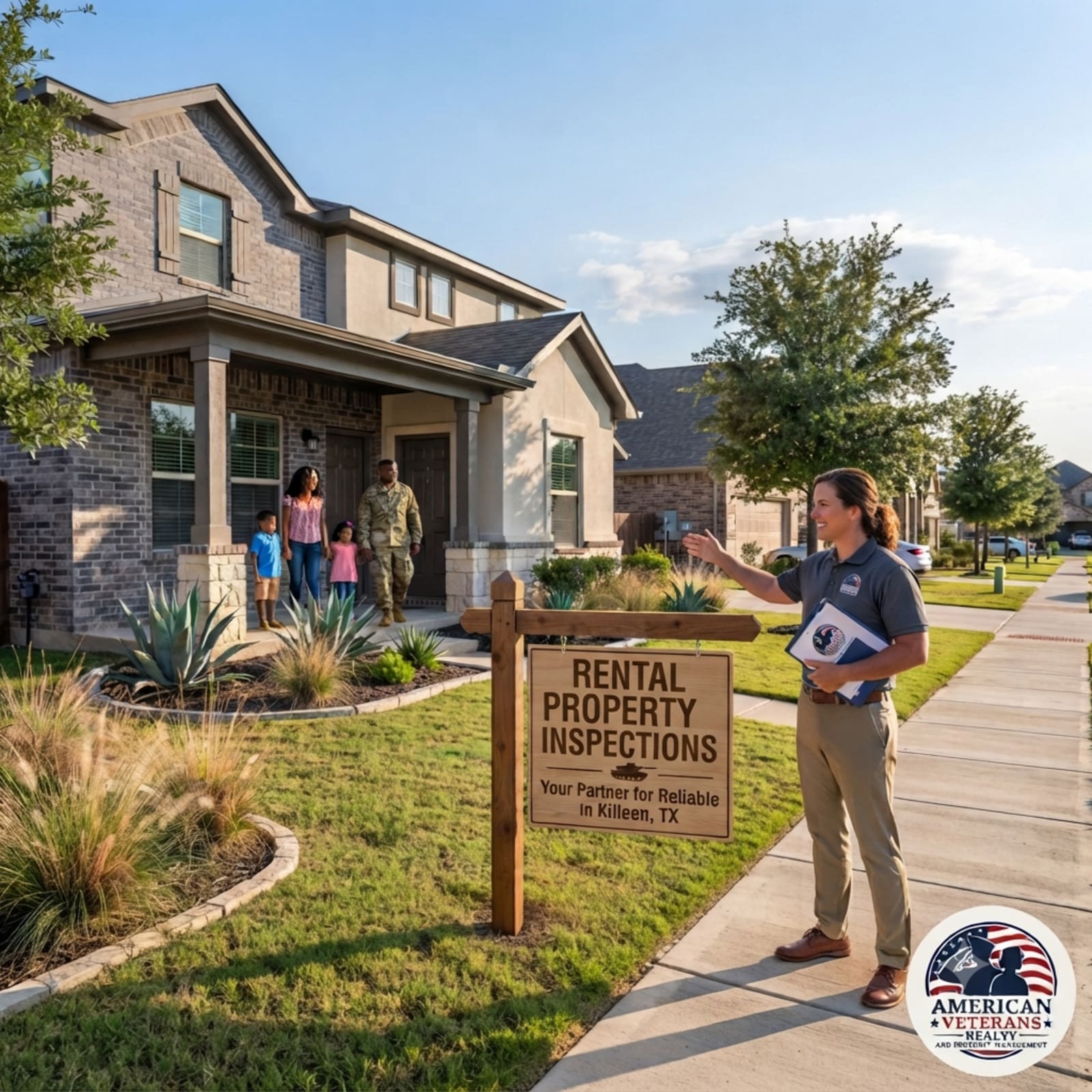
Why Rental Inspections Matter
A rental property left unchecked between move-in and move-out is a property where small issues — a slow leak, a failing HVAC filter, unauthorized pets — can turn into expensive problems before anyone notices.
Move-In Inspection
A detailed, photographed move-in inspection, signed by both landlord and tenant, is the foundation for any future security deposit deduction. Without it, disputes over move-out condition are much harder to resolve.
Periodic Inspections
A mid-lease inspection, done with proper notice under Texas law, lets you catch maintenance issues early, confirm the property is being cared for, and verify lease compliance (unauthorized pets or occupants, for example).
Move-Out Inspection
Comparing move-out condition against the documented move-in condition is what makes security deposit deductions defensible. Texas Property Code Chapter 92 requires landlords to provide an itemized list of any deductions within 30 days of move-out.
Notice Requirements
Texas doesn't set a single statutory notice period for routine inspections, which makes it especially important to spell out inspection rights and notice periods clearly in the lease itself.
Who Should Handle Inspections
For out-of-area owners, coordinating inspections, documentation, and any resulting maintenance requests is one of the more time-consuming parts of ownership — and one of the more valuable things a property manager takes off an owner's plate.
Frequently Asked Questions
A documented move-in inspection, at least one periodic inspection during the lease, and a move-out inspection is a reasonable standard for most Central Texas rentals.
Without documented move-in condition, it becomes much harder to justify security deposit deductions at move-out, increasing the risk of a tenant dispute.